Catholic Devotions — What Is a Devotion?
Devotions
What a “devotion” actually is in Catholic life, how it differs from the liturgy, and how to tell a healthy devotional life from superstition.
A devotion is a form of prayer or practice — the Rosary, a novena, veneration of a saint — that is not part of the Church’s official liturgy but grows out of it and is meant to lead back to it. Devotions are optional. The Mass and the sacraments are not.
Quick Facts
- Category: Foundation & Doctrine — a reference page, not a devotion itself
- Applies to: Every devotion described on this site
- Key distinction: liturgy (the Mass, the sacraments, the Liturgy of the Hours) versus popular piety (devotions)
- Governing Church document: the Directory on Popular Piety and the Liturgy (2001)
- Catechism reference: CCC §§1674–1676
What Is a Devotion?
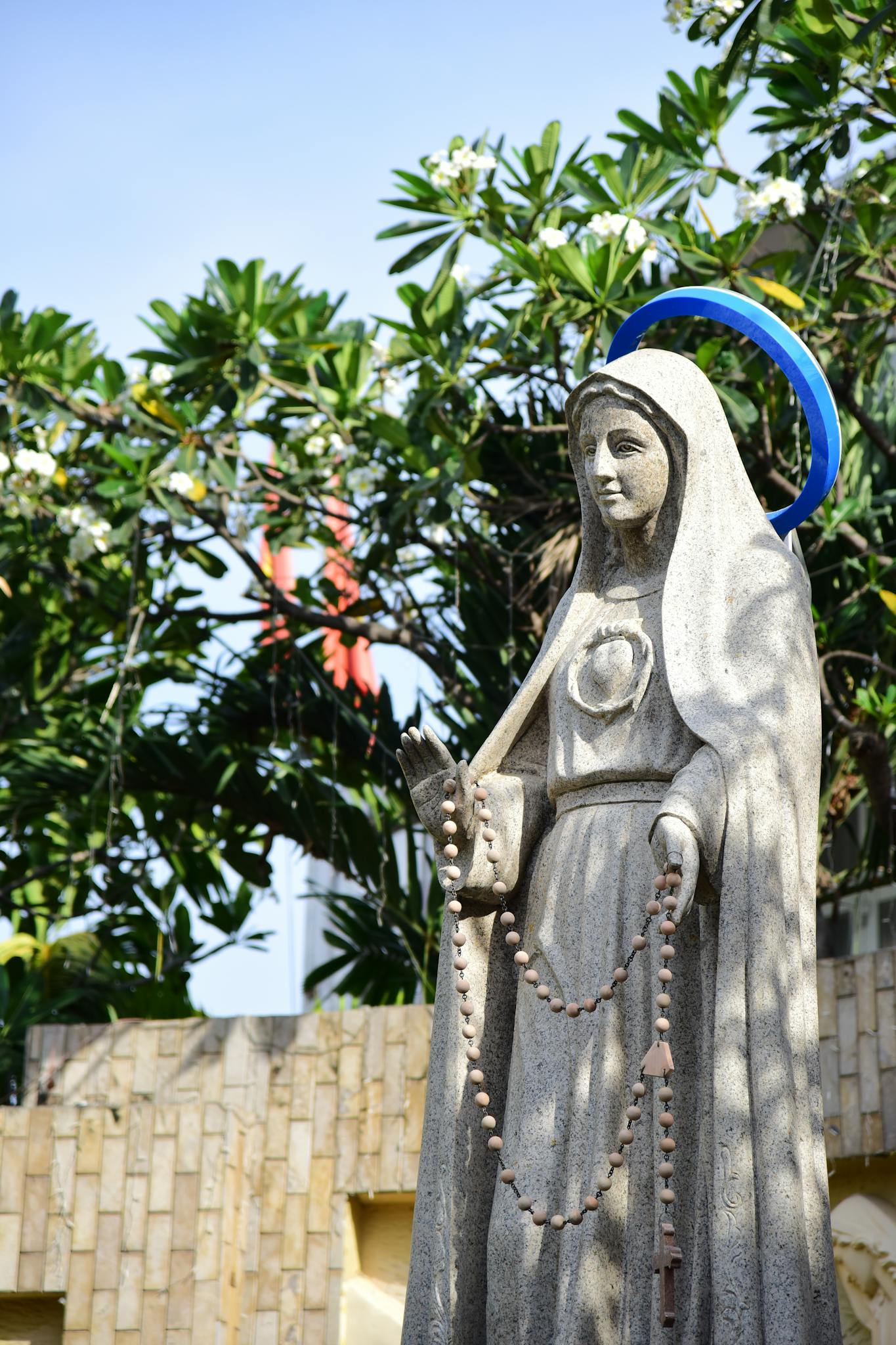
In Catholic usage, a “devotion” (also called an act of “popular piety” or a “pious exercise”) is a form of prayer or practice that the faithful use to grow closer to Christ, often through Mary, a saint, or a particular mystery of the faith — the Rosary, the Stations of the Cross, a novena to a saint, wearing a blessed medal, or a Friday devotion to the Sacred Heart of Jesus are all devotions. What unites them is that none is part of the Church’s official public worship. The Mass, the other six sacraments, and the Liturgy of the Hours are the Church’s liturgy — the official, communal worship Christ gave his Church. Devotions are everything else Catholics do to pray, and they are meant to support that liturgical life, not compete with it or replace it.
Liturgy and Devotion: What’s the Difference?
The Catechism treats this distinction directly at §§1674–1676, in a section on “popular piety.” The principle is simple even where the practice gets complicated: devotions are legitimate and often deeply fruitful expressions of faith, but they take their meaning from the liturgy and should always lead a person back toward it — toward Scripture, the sacraments, and the Mass — rather than away from it. A devotion that quietly becomes a substitute for Sunday Mass, or that is treated as more important than the sacraments, has drifted from what the Church means by popular piety.
A Short History of the Term
Popular devotions are almost as old as Christianity itself — veneration of martyrs’ relics, pilgrimage to holy places, and private prayer forms all appear in the early centuries. What we now call “popular piety” grew enormously in the medieval West (guild devotions, local patron-saint customs, the rosary’s ancestors among them) and again after the Council of Trent, as parishes and religious orders promoted specific prayer forms as tools of catechesis and spiritual life. Because devotions multiplied unevenly across regions and centuries — some rich and Christ-centered, others drifting toward superstition or exaggerated claims — the Church has periodically stepped in to give guidance. The most complete modern statement is the Congregation for Divine Worship’s 2001 Directory on Popular Piety and the Liturgy, which both encourages devotions and sets out principles for keeping them healthy.
Why the Church Encourages — and Regulates — Devotions
Devotions matter because grace ordinarily reaches people through visible, repeatable, human things: words, gestures, images, seasons, communities. A well-formed devotional life disposes the heart to grace, teaches doctrine in a memorable way, and carries the liturgical year into daily life. But the same features that make devotions powerful — repetition, strong imagery, personal or local attachment — can also curdle into superstition if a practice is treated as automatically effective apart from faith, or into confusion if a private revelation attached to a devotion is treated as binding doctrine. That is why local bishops and, for larger questions, Rome retain the authority to approve, correct, or in rare cases restrict a devotion.
How to Build a Healthy Devotional Life
- Put the Mass and the sacraments at the center; let devotions support that, not substitute for it.
- Favor devotions that point you back to Scripture and the sacraments rather than ones that feel self-contained.
- Use approved prayer texts where they exist, rather than versions of uncertain origin passed around online.
- Remember that any private revelation connected to a devotion is never required belief — see “Private Revelation,” below.
- If you are unsure whether a devotion, image, or claimed promise is sound, ask a priest or check with your diocese.
Are Devotions Required?
No. Sunday (and holy day) Mass attendance is a serious obligation for Catholics; specific devotions are not. The Church recommends many devotions warmly — the Rosary above all — but none of them binds a Catholic the way the Sunday obligation or the sacraments do. A Catholic in good standing may have a rich devotional life built around the Sacred Heart, or the Divine Mercy Chaplet, or a particular saint, and a neighbor in the next pew may have an equally faithful life built around different devotions entirely.
Common Misconceptions
“Devotions are just superstition.”
A devotion becomes superstitious only when it is treated as working automatically, apart from faith, conversion, and grace, or when an object is treated as having power in itself. Used as the Church intends — as an aid to faith, hope, and love — a devotion is the opposite of superstition; it is prayer given a memorable, human shape.
“You have to believe every apparition or private revelation connected with a devotion.”
You don’t. The Catechism is explicit that private revelations do not belong to the deposit of faith; they can never add to or correct what Christ revealed once for all (CCC §67). Even when the Church gives a positive judgment about a private revelation, that judgment invites, but never compels, belief.
“The Church invented all these devotions from the top down.”
Mostly the reverse. “Popular piety” means piety of the people — most devotions arise organically among the faithful, often locally, and only later come to the Church’s attention for guidance, correction, or (sometimes) formal recognition. Rome’s ordinary role is to discern and purify what already exists, not to manufacture devotions centrally.
Frequently Asked Questions
What does “popular piety” mean?
It’s the Church’s technical term for devotions: prayer forms and practices that are widely used by the faithful but are not part of the official liturgy.
Can a devotion be wrong, or even forbidden?
Yes. A local bishop can restrict or forbid a devotion in his diocese, and the Holy See can act more broadly, if a practice contradicts doctrine, exploits the faithful, or promotes claims the Church has not verified.
Is the Rosary part of the liturgy?
No — the Rosary is a devotion, even though it is sometimes prayed communally before Mass or in a parish setting. Only the Mass, the other sacraments, and the Liturgy of the Hours are liturgy in the strict sense.
What is the difference between a devotion and a sacramental?
A sacramental — holy water, a blessed medal, a blessed scapular — is a specific blessed sign instituted by the Church. A devotion is the broader prayer practice, which often makes use of one or more sacramentals.
Do I need a priest’s permission to pray a particular devotion?
Not for your own private prayer. Promoting a devotion publicly in a parish, or founding a new one, is where a pastor’s or bishop’s guidance comes in.
Sources
- Directory on Popular Piety and the Liturgy: Principles and Guidelines (2001)
- Catechism of the Catholic Church, §§1674–1676
- Norms for Proceeding in the Discernment of Alleged Supernatural Phenomena (DDF, 17 May 2024)