
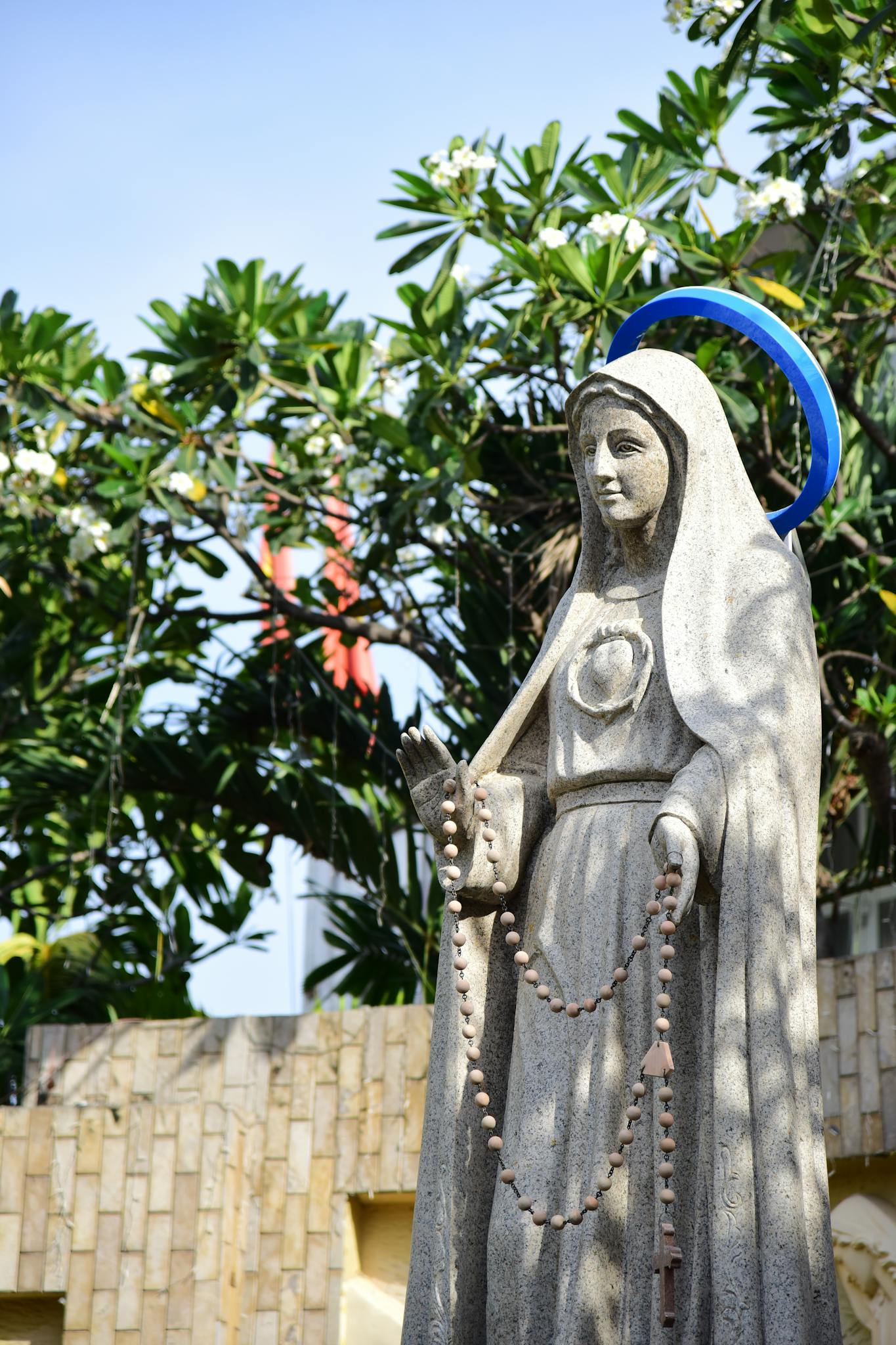
Who Was Saint Marcella?
Saints
An Alexandrian mother martyred alongside her daughter Saint Potamiana during the Severan persecution around the year 202.
Saint Marcella was a Christian laywoman of Alexandria, Egypt, martyred around the year 202 during the persecution launched under Emperor Septimius Severus. She is remembered above all as the mother of Saint Potamiana, whose own dramatic martyrdom, involving a slow execution by boiling pitch, was recorded by the early church historian Eusebius. Marcella died with her daughter and a group of fellow Alexandrian Christians, including Plutarch, Serenus, Heraclides, Heron, and Rhais, in one of the persecution’s most memorable episodes.
Quick Facts
- Country: Egypt (Alexandria)
- Died: around 202
- Role: Laywoman, mother of Saint Potamiana
- Venerated as: Martyr, companion of Saints Plutarch, Heraclides, Heron, Serenus, and Rhais
Who Was Saint Marcella?
Marcella was the mother of Potamiana, a young Alexandrian Christian whose martyrdom, described vividly by Eusebius of Caesarea, involved a slow death by boiling pitch poured gradually over her body after she refused to submit to her master’s demands and renounce her faith. Marcella herself was arrested and martyred in the same wave of persecution, sharing her daughter’s fate rather than being spared as an older woman or a mother. Her death is grouped in the historical record with several other Alexandrian Christians executed around the same time.
Historical Setting
The persecution under Septimius Severus around the turn of the third century struck the church of Alexandria with particular severity, targeting a Christian community that had grown large and increasingly visible within Egypt’s greatest city. Origen’s own father, Leonides, was martyred in this same persecution, and the Alexandrian catechetical school, then flourishing under Clement and soon under Origen himself, lost several of its associates and students to the same wave of executions that claimed Marcella and Potamiana.
Why the Church Remembers Saint Marcella
She is remembered chiefly through her bond with her daughter, a mother who did not use her position to escape the persecution that claimed Potamiana but instead shared fully in her child’s fate. The pairing of mother and daughter as fellow martyrs has made Marcella an enduring symbol of family fidelity carried through to the point of death.
Canonization and Feast Day
Alexandria’s third-century martyrs, Marcella among them, were venerated by their own church community immediately after their deaths, long before any formal canonization process existed, and their sainthood rests on this ancient acclaim as recorded by Eusebius.
What Catholics Can Learn Today
Marcella’s willingness to face death alongside her daughter rather than seek her own safety speaks powerfully to parents today: fidelity to Christ sometimes means standing with, rather than apart from, the very children whose faith a parent has helped form. Her example honors the particular courage of mothers who suffer for and with their children.
A Prayer to Saint Marcella
Saint Marcella, mother who shared the martyrdom of your daughter Potamiana rather than seek safety for yourself, pray for all mothers who suffer alongside their children, and obtain for us the grace to stand faithfully with those we love in every trial. Amen.
Sources
- Eusebius of Caesarea, Ecclesiastical History, Book VI, on the martyrdom of Potamiaena and Marcella
- Roman Martyrology, entry for Saint Marcella of Alexandria
- New Advent Catholic Encyclopedia, entry on Saint Potamiaena