
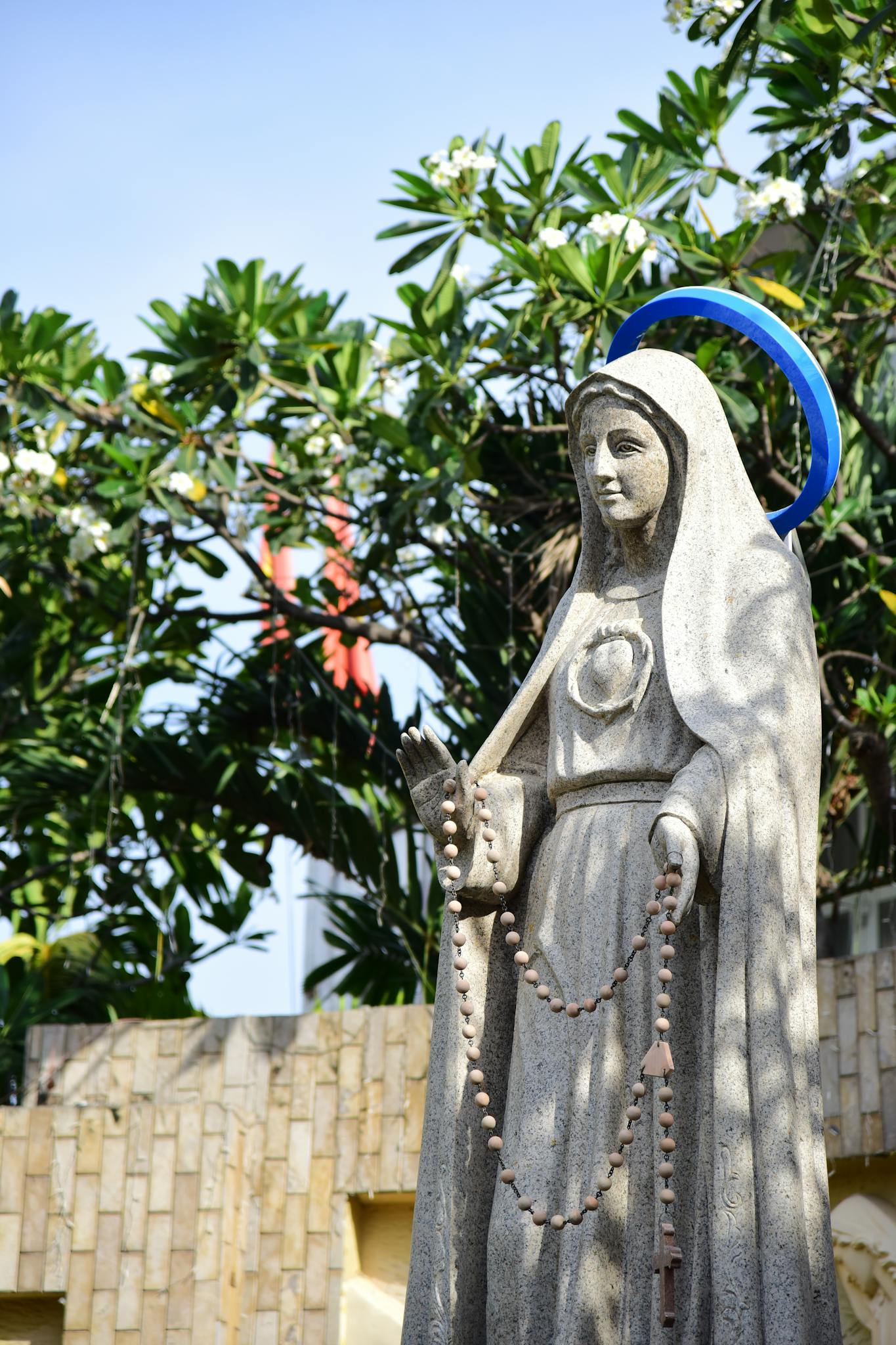
Saint Antônio Vilela Cid
Saints
A Spanish-born layman settled in Natal, Brazil, killed alongside dozens of fellow Catholics in the 1645 massacre at Uruaçu during the Dutch occupation of the region.
Saint Antônio Vilela Cid was a Catholic layman, born in Spain but resident in Natal in colonial Brazil, who was martyred on October 3, 1645, at Uruaçu in the captaincy of Rio Grande. He was among a group of Catholics attacked and killed by forces loyal to the Calvinist Dutch West India Company, which then controlled much of northeastern Brazil, in an assault that followed a related massacre of Catholics at Cunhaú a few months earlier that same year. The surviving record identifies him simply as a layperson of Natal, distinguishing him from his fellow martyr Antônio Vilela chiefly by his Spanish origin. He was canonized in 2017 by Pope Francis together with twenty-nine companions under the title of the Thirty Martyrs of Brazil, also known as the Martyrs of Cunhaú and Uruaçu.
Quick Facts
- Born: date unknown, Spain
- Died: October 3, 1645, in Uruaçu, Rio Grande do Norte, Brazil
- Feast Day: October 3, commemorated with the Martyrs of Cunhaú and Uruaçu
- Beatified: March 5, 2000, by Pope John Paul II
- Canonized: October 15, 2017, by Pope Francis
- Patron of: no individual patronage; venerated with his companions as part of the Thirty Martyrs of Brazil
Who Was Saint Antônio Vilela Cid?
Antônio Vilela Cid was a layman born in Spain who had made his home in Natal, in the Portuguese captaincy of Rio Grande on Brazil’s northeastern coast, at a time when Spain and Portugal shared a single crown and movement of settlers between the two colonial spheres was common. The record that survives him is sparse, identifying him chiefly as a layperson of Natal rather than describing his occupation or family life in detail, and it should be read with appropriate caution rather than filled in with invented particulars. In October 1645, during the Portuguese uprising against Dutch West India Company rule in northeastern Brazil, he was among the Catholics killed in an attack at a farm chapel in Uruaçu, an assault that came roughly three months after a similar massacre of Catholics at Cunhaú. He is honored alongside Antônio Vilela, a fellow victim of the same attack whose distinct entry in the historical record, including his Brazilian birth, marks him as a separate individual despite the closely shared name, place, and date of death.
Historical Setting
Vilela Cid died during the mid-seventeenth-century struggle for control of Brazil’s sugar-producing northeast, when the Dutch West India Company, whose administration was aligned with Calvinism, held significant territory including parts of Rio Grande. As Luso-Brazilian settlers revolted against Dutch rule from 1645 onward, communities loyal to Catholic Portugal, including transplanted Spaniards like Vilela Cid, became targets of retaliatory violence tied to both the colonial war and the religious hostility between Calvinist administrators and the Catholic population they governed.
Why the Church Venerates Saint Antônio Vilela Cid
Vilela Cid is venerated, together with his companions, as a layman who died specifically for adherence to the Catholic faith during a period of confessional conflict layered onto colonial war. His European origin combined with his death on Brazilian soil illustrates how the persecution of Catholics in the Dutch-controlled territories cut across settlers of different backgrounds who shared a common faith. The Church honors him as part of preserving the memory of a lay Catholic community in colonial Brazil whose suffering has historically received far less attention than that of more famous European martyrs.
Canonization and Feast Day
Antônio Vilela Cid was beatified on March 5, 2000, by Pope John Paul II as one of the Martyrs of Cunhaú and Uruaçu, and canonized on October 15, 2017, by Pope Francis under the collective title of the Thirty Martyrs of Brazil, following the Church’s recognition of the group’s deaths as martyrdom for the faith. His feast, shared with his companions, is kept on October 3, the date of the Uruaçu massacre.
What Catholics Can Learn Today
Vilela Cid’s memory illustrates how faith and migration were bound together in the colonial world: a man born across the ocean in Spain found death, and later sainthood, in a small Brazilian settlement he had made his home. His story is a reminder that the universality of the Catholic Church has always meant that believers from very different origins can share the same fate for the same faith. For readers today, it is an invitation to see the global Church not as an abstraction but as a communion of very concrete, very different lives bound together in Christ.
A Prayer to Saint Antônio Vilela Cid
Saint Antônio Vilela Cid, who left your homeland in Spain and made your home among the faithful of Natal, you remained steadfast in Christ to the end of your days in a distant land. Obtain for us the courage to keep our faith wherever life takes us, far from where we began. Pray for migrants and settlers who carry their faith into unfamiliar places, and for all who face hostility because they will not set that faith aside. Amen.
Sources
- Vatican.va (canonization records for the Martyrs of Cunhaú and Uruaçu)
- the Roman Martyrology
- EWTN
- the historical records of the Archdiocese of Natal, Brazil